7 min read
Keeping Rosemary Healthy in a Pot
Give rosemary a sunny position and a root zone that drains, then adjust your care as growth slows in winter.
On this page
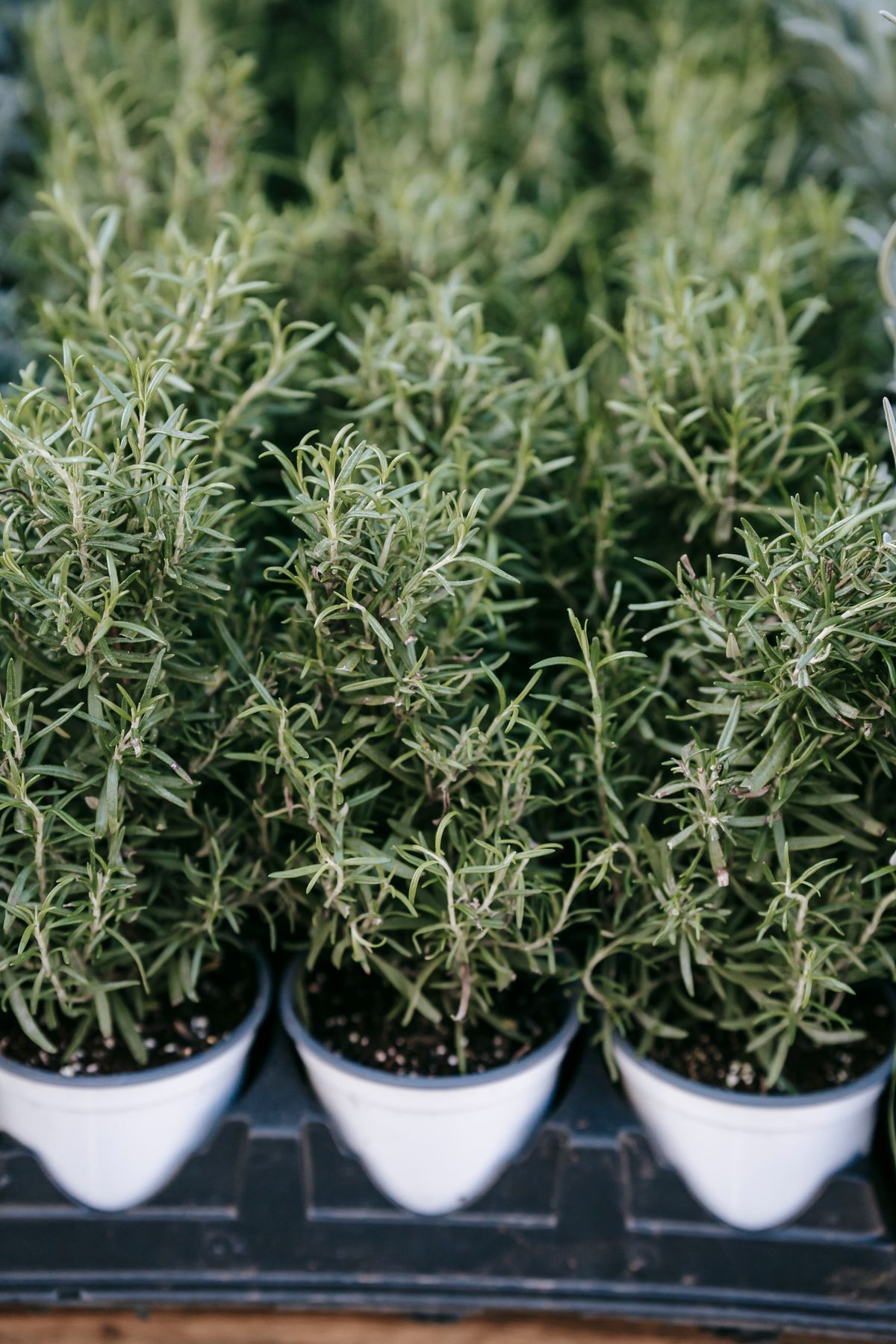
A healthy rosemary plant feels different from many of the herbs beside it. The stems become firm, the narrow leaves remain fairly dry to the touch, and the whole plant can look much the same for days. That appearance makes it easy to water on a calendar without noticing what is happening in the pot. Rosemary often fares better when you pay attention to the weight of the pot, the light reaching the newest shoots, and whether water has a way out.
Pick a plant you can accommodate at maturity. Upright varieties make good plants for clipping kitchen sprigs. Trailing types are useful where stems can drape over a low wall or the edge of a container. A named cultivar may have a particular fragrance, flower color, or degree of winter hardiness. Local hardiness guidance matters even for containers, since roots in a pot are more exposed to cold than roots in the ground.
Find the bright spot before bringing it home
Outdoors, rosemary generally does well with ample direct sun and air movement. A patio corner that looks bright in winter may spend summer under a leafy canopy. Check the spot at more than one time of day. Put the container where you can reach it easily, with a little space between branches and the wall. If a roof edge drips onto the same spot in every storm, move the pot clear of the drip line.
Indoors, a very bright window is a reasonable starting point. If natural light is weak, a suitable grow light can help. Watch the new growth over a couple of weeks. Long, pale shoots leaning strongly toward the window suggest that light is inadequate. Keep the plant away from an intense heater draft, and give it some space from neighboring plants so you can inspect the leaves. A crowded collection of wet pots can stay humid around the branches even when the room feels dry.
If you are bringing a plant from a sheltered greenhouse into direct sun, increase its exposure over several days. A well established outdoor rosemary can take much stronger light than a tender new shoot that developed behind glass. Do the same in reverse when moving it indoors for winter. Find the indoor position early enough to avoid shifting the plant repeatedly during freezing weather.
Set the crown at the old soil line
Pick a container with unobstructed drainage holes and only a little extra width around the root ball when you first repot. A very large mass of wet mix surrounding a small plant can take a long time to dry. Unglazed clay can suit a damp spot because it loses water through its sides. In a hot, dry climate or where your pot stands in wind, a glazed or plastic pot may be easier to keep from drying too far. All of them need a clear exit for water.
Use a well drained potting mix. In a humid climate, a mix with additional coarse material such as perlite or pumice can help keep it open. Avoid fine garden soil that packs down with repeated watering. If you plan to amend a mix, first water a small test pot and see how long it stays heavy in the proposed location. A pot that remains soaked after several days in mild weather needs attention to drainage or mix before you plant rosemary in it.
Keep the base of the stems at about the level it was growing before. Gently ease roots that are circling the outer edge, but avoid shredding the root ball. Set the plant upright, fill around the edges, water thoroughly, and let the pot drain. Empty any saucer. Put the container on feet if the holes press against flat paving. A layer of pebbles inside the bottom does not substitute for open drainage holes.
Check the mix after a dry day and after rain
Let the upper mix dry somewhat between waterings. Check beneath the dry surface before you decide the whole pot needs water. A small wooden skewer can help if you cannot feel the middle of a deep container. Lift a manageable pot and get to know its weight after watering and after several dry days. Water the root ball evenly when it needs it and allow excess to drain. Repeated tiny sips can wet only the top and leave dry areas underneath.
If a pot remains heavy for a long time, move it clear of repeated rain and check whether the holes are blocked. A rosemary with softening stems, dull leaves, or persistent wilt can be suffering from wet roots. Inspect the roots if the plant keeps declining. Healthy roots tend to be firm, while diseased roots may be dark and soft. The appearance alone does not identify a particular pathogen. A seriously rotted plant is often easier to replace with a healthy start after you correct the growing conditions.
Needle like leaves that turn crisp can come from roots that have dried too far, but a wet root system can also leave shoots unable to take up water. Feel the mix before choosing a response. If it has shrunk from the sides, water slowly in several passes and confirm that the center is moist afterward. If the pot is wet, improve drainage and air movement. Adding water to a waterlogged pot gives it even less room for oxygen.
Clip the green parts you want to grow again
Take sprigs from flexible green growth with clean scissors. Cut just above a leafy side shoot or a healthy leaf junction. Harvest a little from several branches to keep the plant balanced. Avoid cutting a bare, old branch severely unless you are removing it. Older wood is less reliable about pushing new shoots. If you inherited an overgrown plant, shorten some live tips and see how they respond before trying to reduce the whole shrub.
For a kitchen harvest, check for good aroma and a sound stem. Cut after any dew has dried, and wash just before use. Leave flowers on some branches if you want to see visiting insects. A rosemary that flowers can still provide sprigs from other parts of the plant. Make a moderate trim after a flowering flush if you need to restore its shape. That approach preserves enough foliage to carry the plant through its next growth period.
Feed lightly during active growth if your mix requires it. A container that has been in use for years may benefit from fresh mix and careful repotting more than repeated doses of feed. Rosemary growing in weak winter light needs less water and usually little or no feeding while growth is slow. Wait for healthy new tips before changing the schedule for spring.
Plan for the coldest nights
Think about rain as well as frost. A sheltered pot can stay reasonably dry during several days of winter rain, while an open one can saturate faster than a slow growing plant uses water. A roofed spot with good light and airflow can protect the mix in mild weather. Keep the pot where you can still check it. Wind can dry an evergreen plant in a sheltered corner even when temperatures are cool. After heavy weather, check the saucer and drainage before carrying the pot back to its usual place.
Check the hardiness of the cultivar and how cold the roots get in your location. In a mild climate, a sheltered outdoor spot may be enough. In a cold climate, move the pot to a bright protected position before severe frost. A cool bright place can be easier to manage than a hot dim room. Water less often during slow growth, but check regularly so the root ball does not dry completely. Inspect stems for mites or other pests as you move the plant indoors. Isolate a plant with an active infestation before placing it beside others.
When spring comes, take the pot out for shorter periods before leaving it in full sun and wind. Check the roots when the plant resumes growth. If the outer mass is packed and you can no longer water it evenly, move up one container size or renew part of the mix if the plant can tolerate it. Decide how much rosemary you need in the kitchen. A modest plant with healthy green tips is easier to overwinter and supplies more useful sprigs than a large one that spends half the year in a dark corner.
Set the pot where you can reach underneath it after a long rain. A leaf fallen over a shallow outlet can hold water in an outer container while the surface looks fine. If the base is difficult to inspect or empty, change the arrangement before the next wet spell.
For insurance, root a few cuttings in late summer while the parent is vigorous. Snip green, nonflowering tips, remove the lower leaves, and insert the bare ends into a clean, open propagation mix. Keep it lightly moist and out of strong sun while the cuttings root. A covered pot loses water slowly, so provide some ventilation and check for condensation rather than soaking the mix each day. After new growth is established, move the cuttings gradually into brighter light. Small replacement plants take up less winter space and let you keep a cultivar that has done well in your conditions. Label them before you set them beside other rosemary.
Back to top