
8 min read
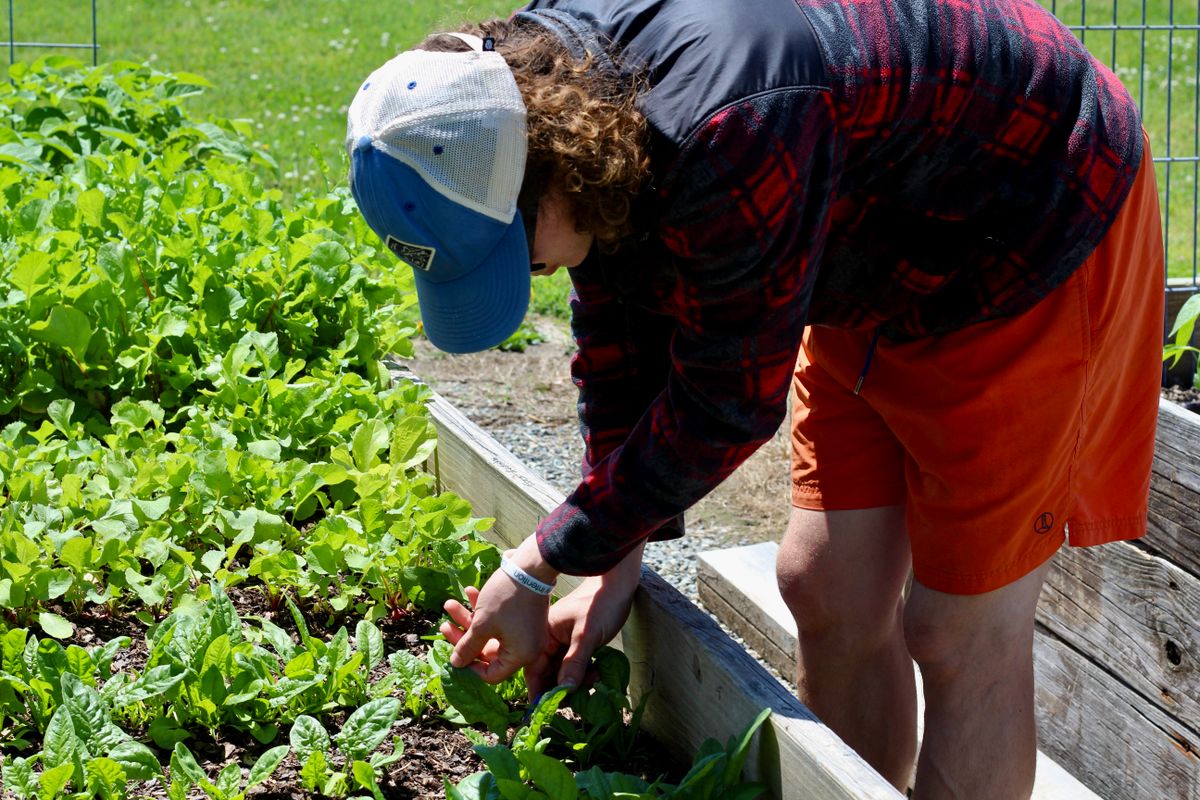
How Much Compost Does a Raised Bed Need?
A raised bed can benefit from compost long after it is built, but the right amount depends on the soil you already have, what the compost contains, and where your plants will send their roots.
Growing library / 10 guides
Build better soil and solve the small problems that can derail a growing season.
8 min read
A raised bed can benefit from compost long after it is built, but the right amount depends on the soil you already have, what the compost contains, and where your plants will send their roots.

8 min read
Choose a mulch that fits the crop and the weather, then apply it in a way that lets the soil warm, breathe, and take up water.
8 min read
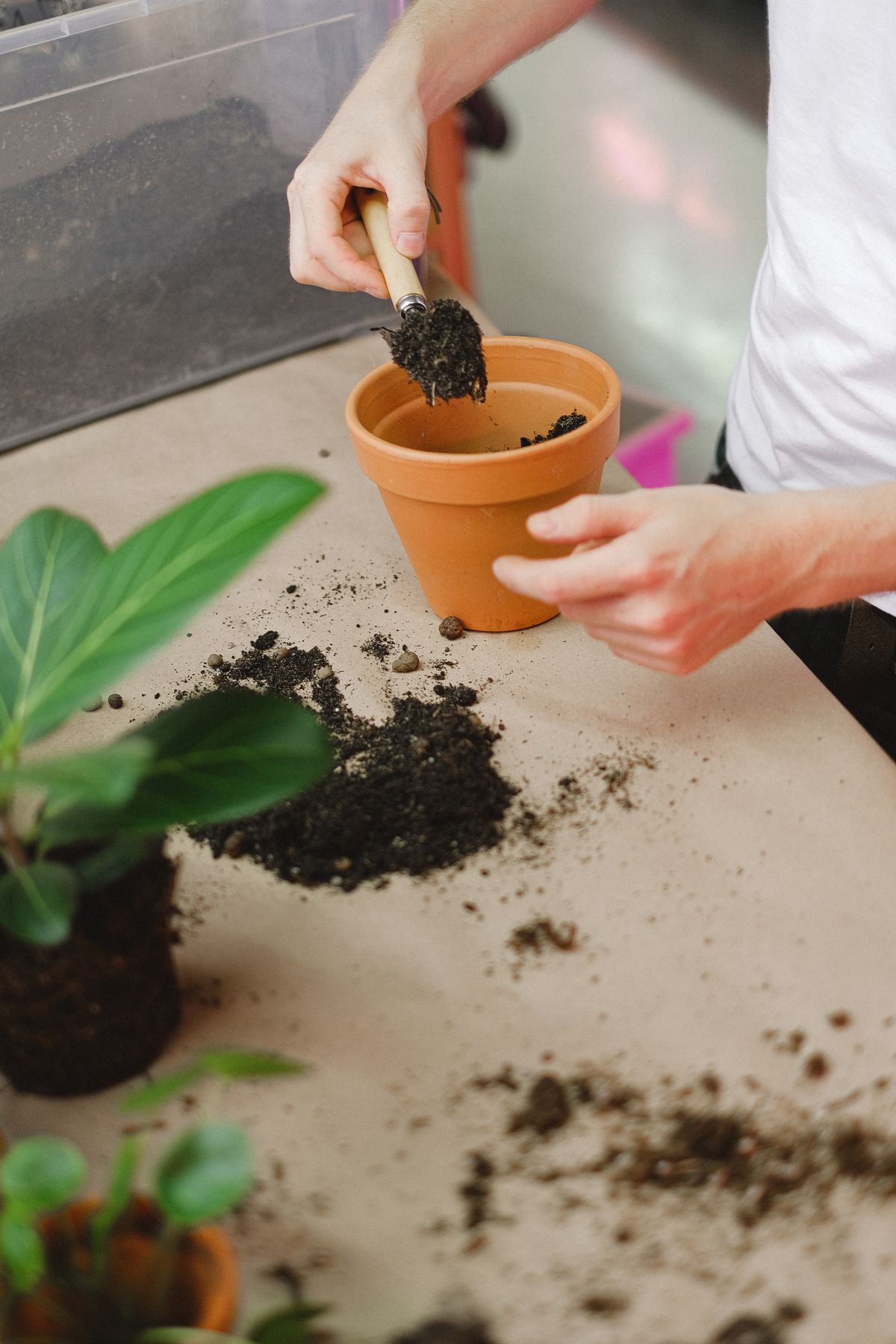
Use the laboratory's ratings and your bed measurements to decide whether to adjust pH, supply a missing nutrient, or give the soil more time.
7 min read
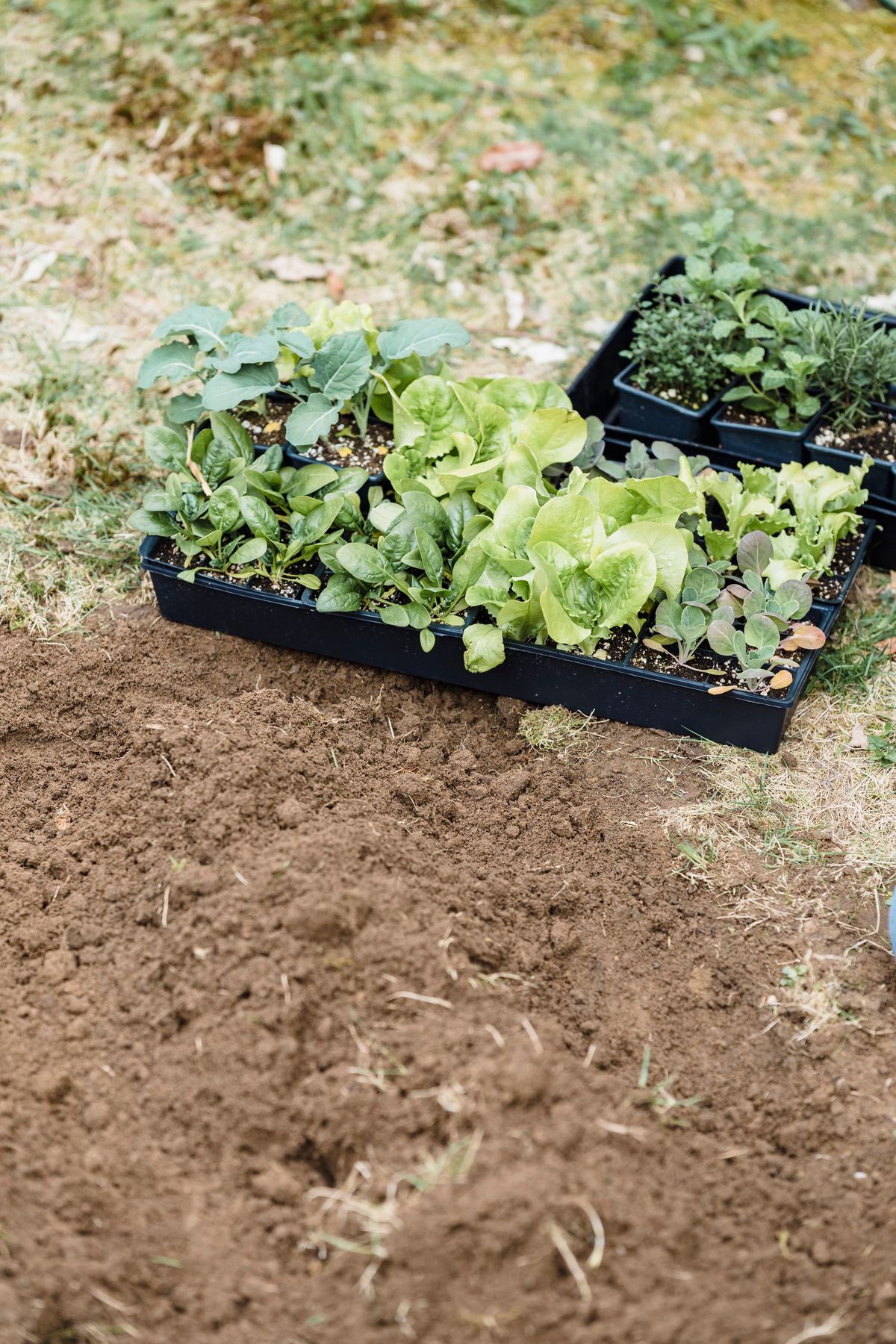
Give indoor seedlings a gradual introduction to outdoor light, wind, and temperature so that they can keep growing after transplanting.
7 min read
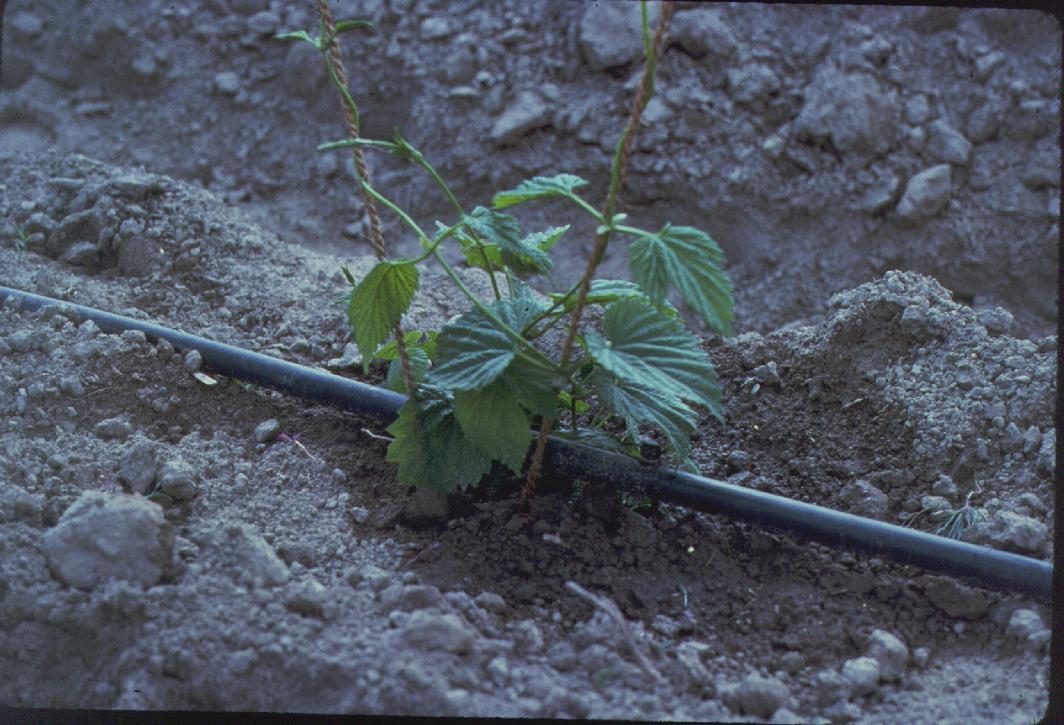
Lay out a simple drip system, measure where its water goes, and change the schedule as crop roots and weather change.
7 min read
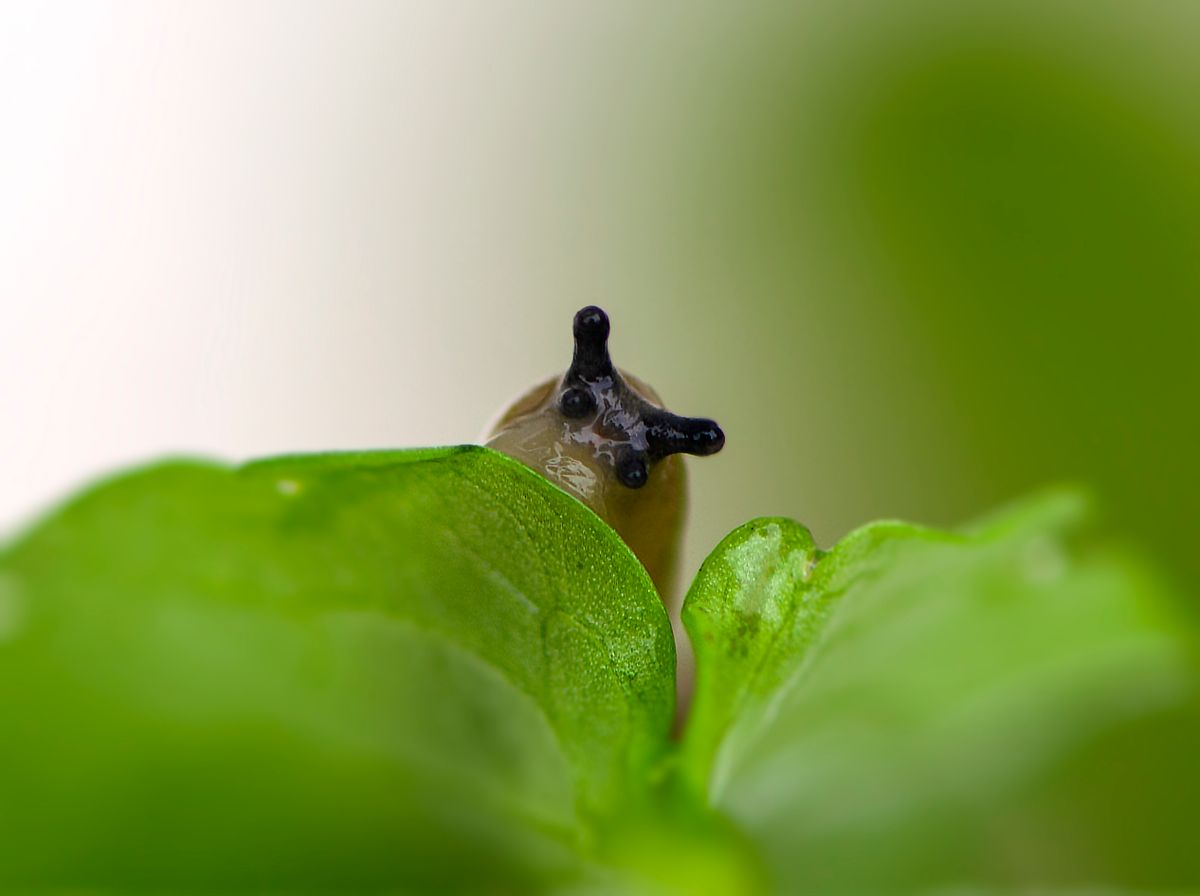
Read the damage after dark, remove the best hiding places, and protect the youngest plants until they can tolerate a little feeding.
7 min read
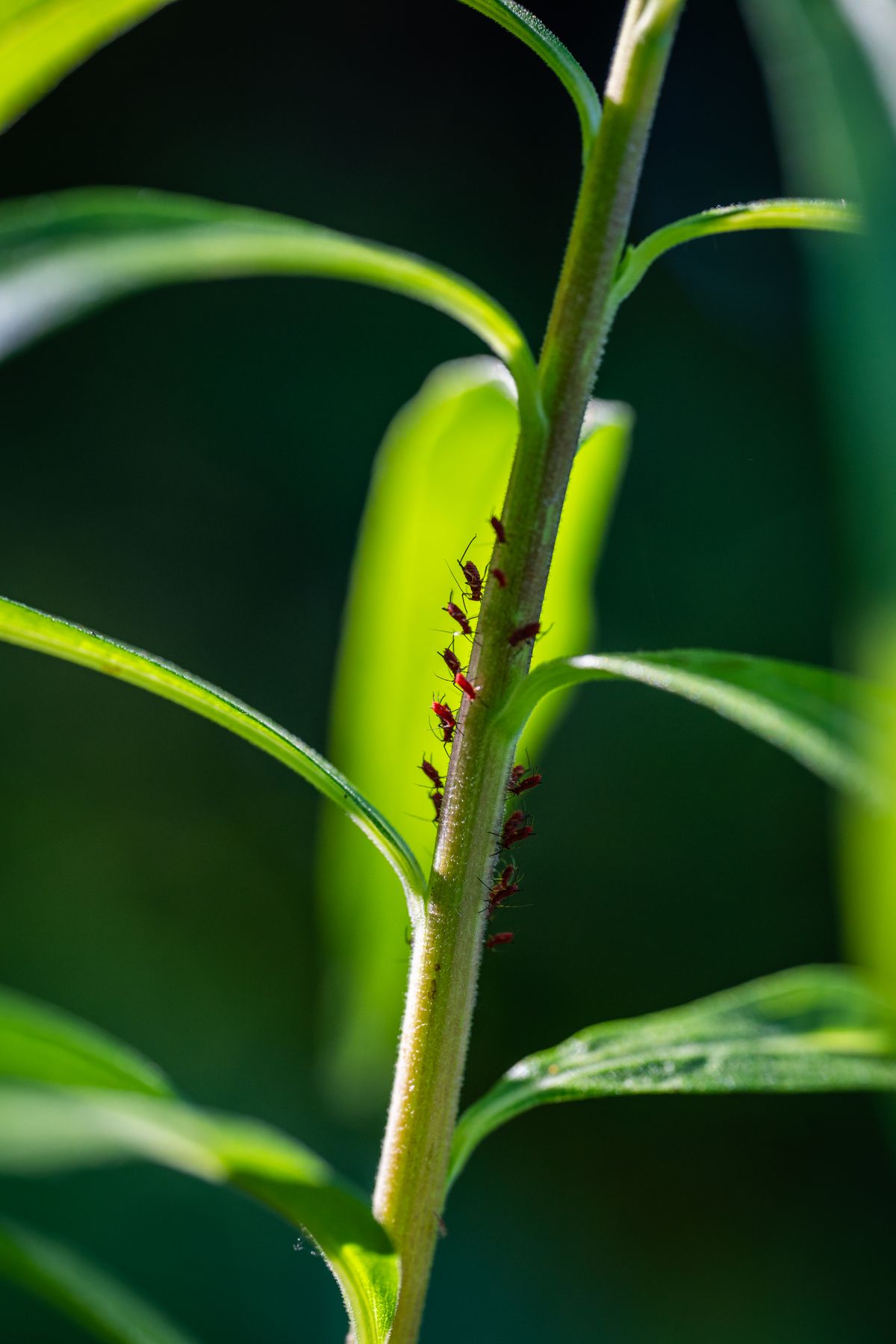
Find the insects themselves, check whether predators are already at work, and choose a response that fits the plant and the damage.
8 min read
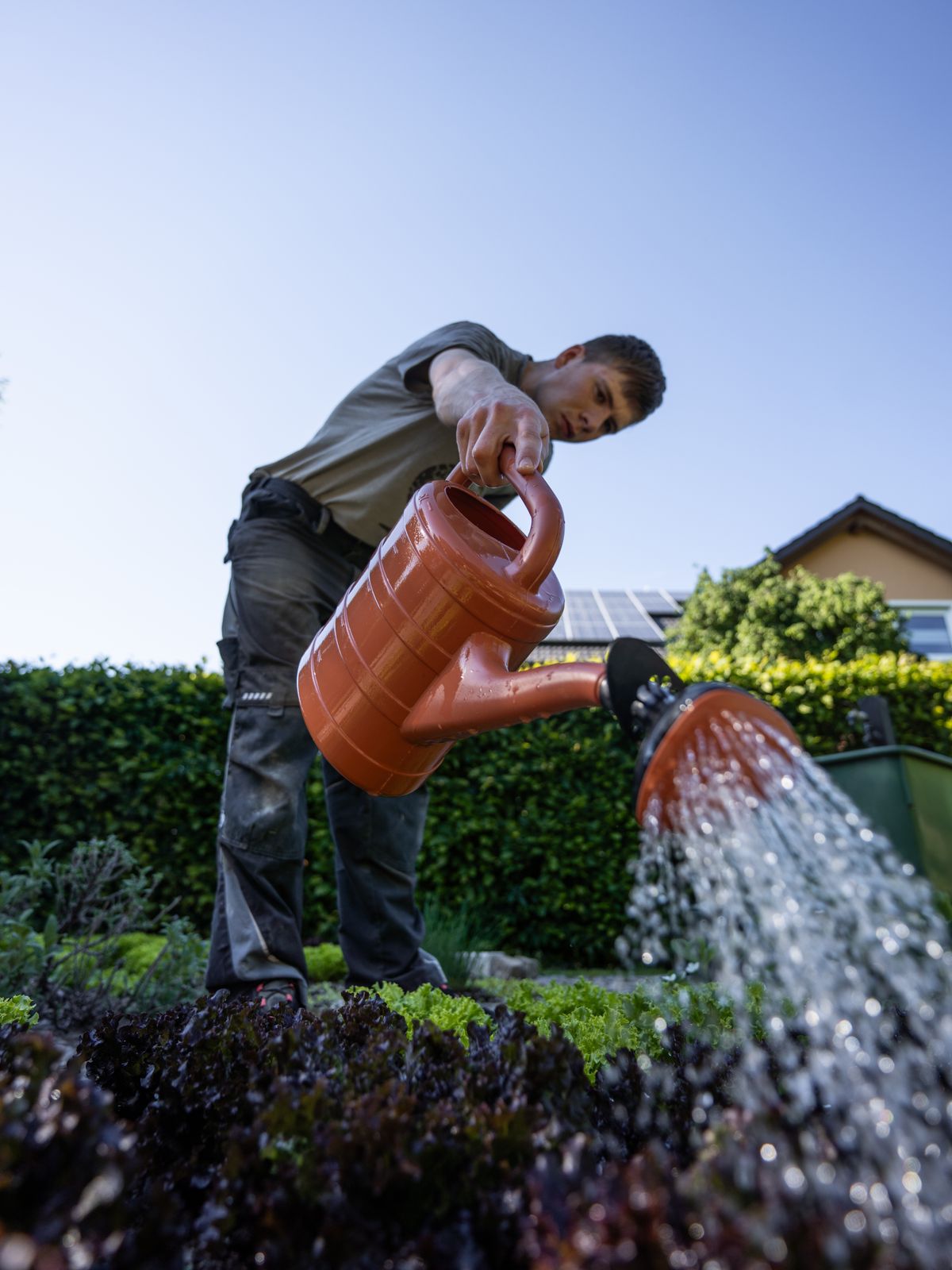
Learn to recognize wet clay below a dry surface, deliver water slowly, and keep the root zone supplied without leaving it saturated.

8 min read
Give autumn leaves a damp, airy place to break down, then use the soft material to protect the surface of your garden soil.
7 min read
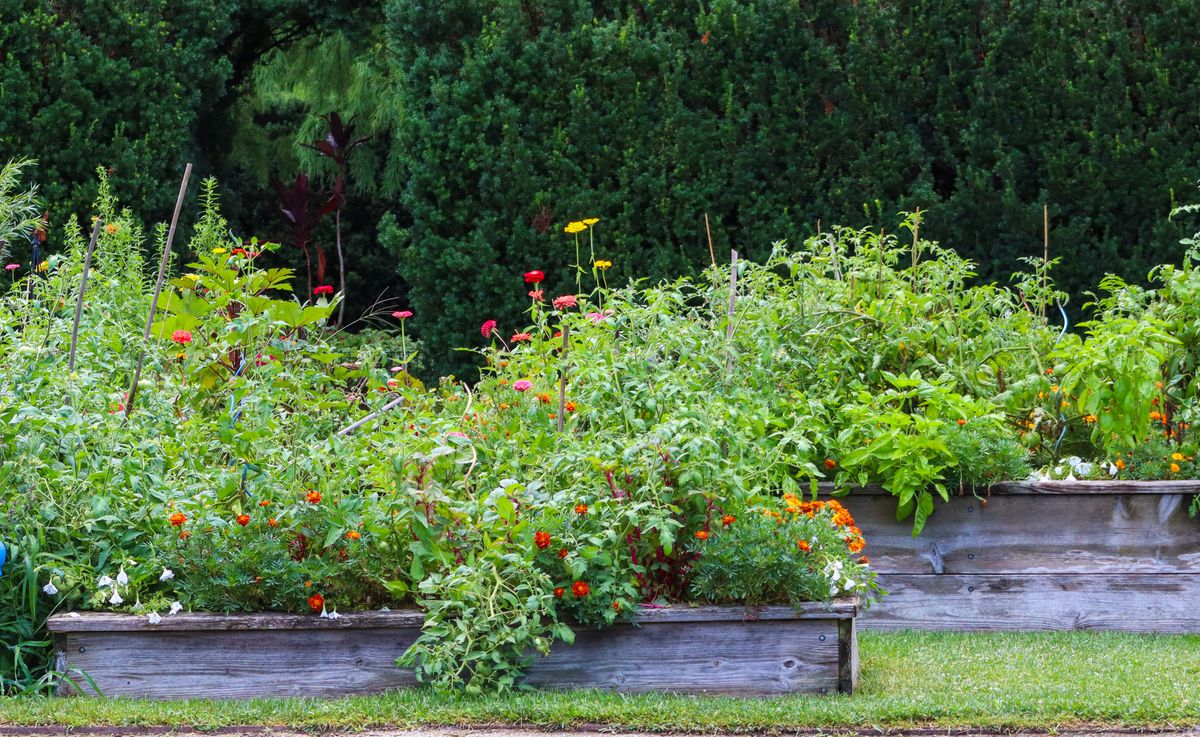
Start with a site that drains, cover weeds deliberately, and add enough mature organic matter to give the first crop a usable root zone.