7 min read
African Violets on a Bright Windowsill
Help a compact rosette form new flower stems by balancing window light, an airy potting mix, and steady moisture.
On this page
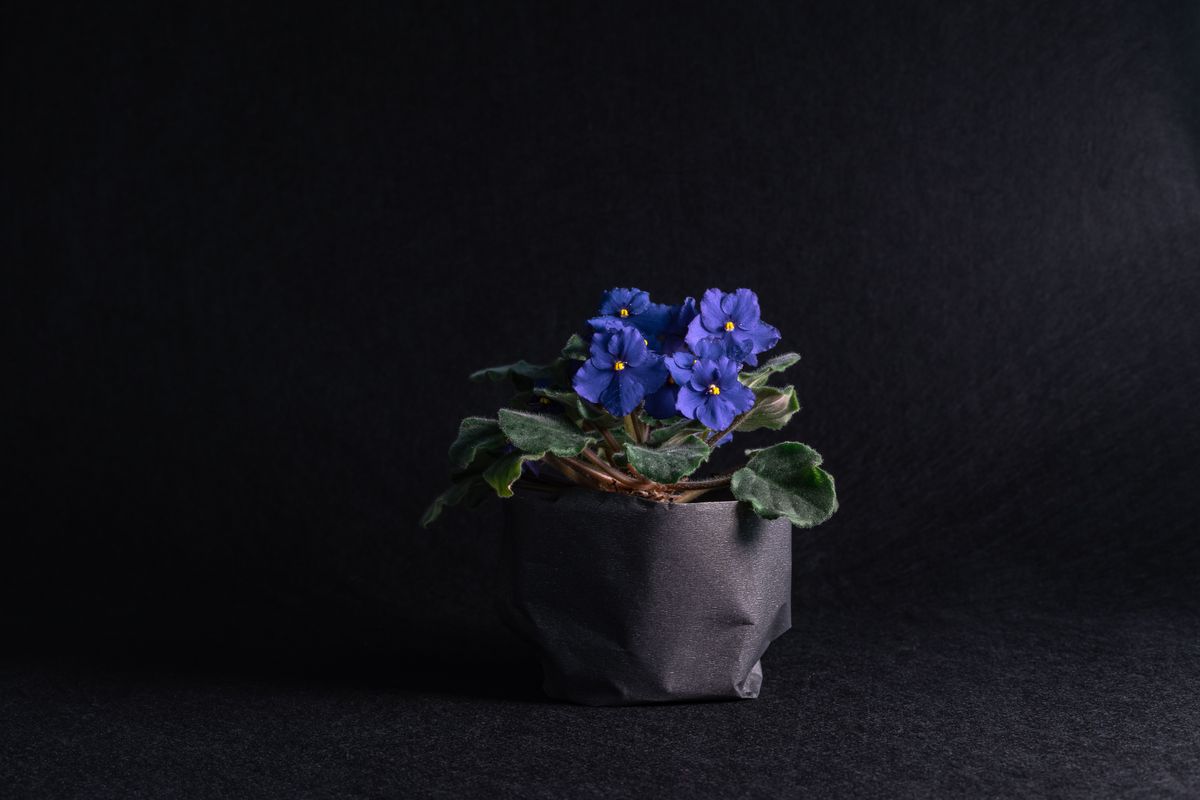
Set an African violet on a table at eye level and the reason for growing it becomes obvious. The flowers sit just above a low circle of soft leaves where you can see their shapes. An awkward windowsill can hide that display, however. Cold glass on one side and warm air from a register below can make a six inch patch feel like two different rooms. A violet grows more evenly when you start with the spot the rosette will occupy and adjust the light and water to match.
Position a rosette so it grows evenly
Pick a bright window that gives the plant plenty of diffuse daylight. An east or bright north facing sill is often a starting point, provided neighboring buildings and trees let enough light reach it. At a stronger exposure, draw a sheer curtain during hot periods. Keep some room between the leaves and the glass. A window that feels mild in the afternoon can be much colder overnight. Before you move a newly bought violet, look for any dampness where it was packed and let the leaves dry in an open position.
The plant should have a little space around it. Set it far enough away from other pots that the outer leaves do not continually brush their neighbors. Leaves lean toward a window over time, so give the pot a partial turn every few days if you like a symmetrical rosette. If one side is pressed against glass, move the whole pot a few inches back before rotating. That preserves room for the largest leaves to finish expanding.
If daylight drops sharply in winter, a plant lamp on a timer can keep the light more consistent. Follow the fixture's spacing guidance and adjust for the response of the leaves. A period of about fourteen hours of light with a dark rest afterward is a reasonable starting schedule under artificial light. Long narrow leaf stalks and a loose habit can indicate too little light. A tight, pale center or scorched patches can come from excessive light or heat. Watch a few new leaves after an adjustment. Flowers may appear later than the first change in foliage.
Choose a pot by the roots and the rosette
African violets have fine roots that need both moisture and air. A compact rosette often does well in a pot about one third of the spread of the plant. Check the root ball as well as the leaves before buying a new container. A violet with damaged roots cannot take up moisture across a large pot. A healthy violet that dries too fast in a very small pot may need just one size larger. Whatever the material, look for an open drainage hole and a saucer you can empty easily.
Use fresh light mix. Bagged African violet mix can vary in texture. Moisten a small sample and squeeze it. If it forms a sticky lump that holds its shape, blend in coarse perlite so it loosens readily. A fine, moist medium can work if the pot is small and never sits in water. A coarse medium is especially useful for a wick system because it limits how saturated the root zone becomes. Keep garden soil out of the pot. It is heavier and can carry pests into a collection.
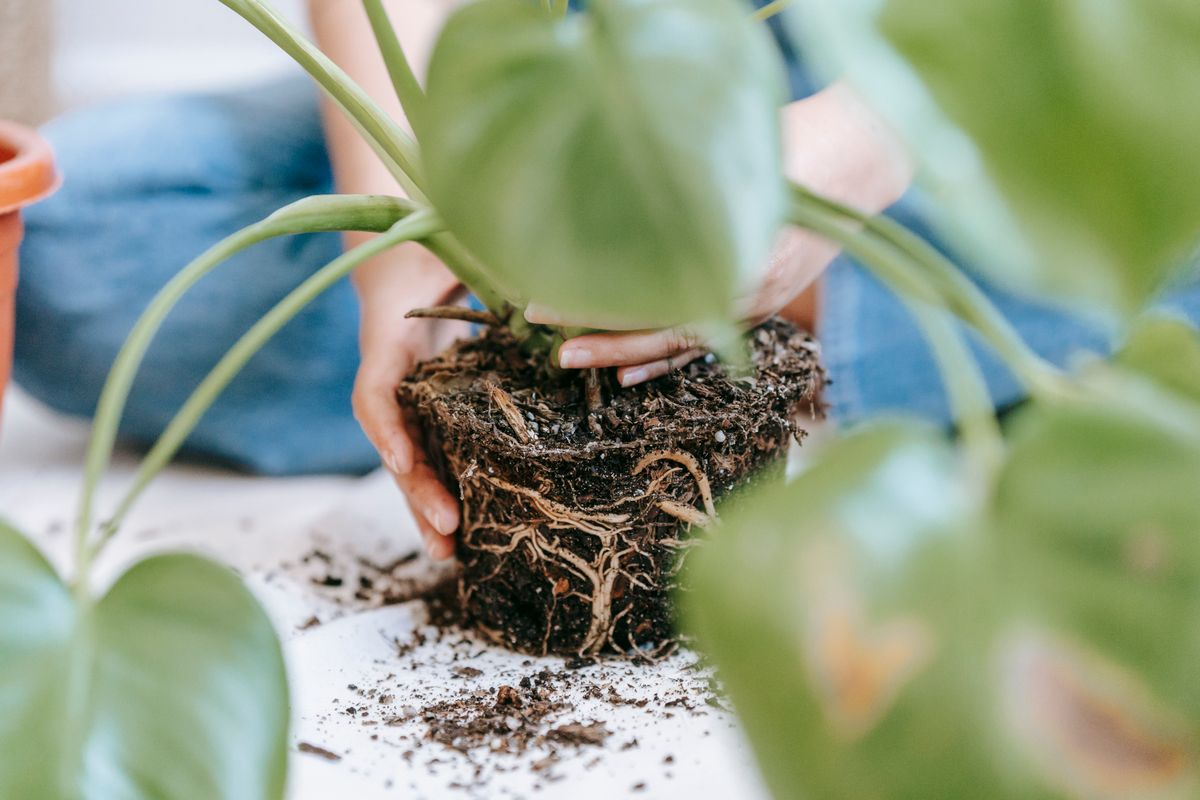
When setting a violet into fresh mix, support the rosette and keep the growing center above the surface. Draw mix around the roots and firm it lightly with a finger or the tip of a label. A plant with a short exposed neck under the leaves can sometimes be reset a little lower in fresh mix, with the bottom leaves still held clear. A long curved neck on an old violet may call for more extensive rejuvenation. Start with a regular repot if the crown is sound and the plant is still blooming.
Pick a watering method you can repeat
For top watering, use a narrow spout and direct room temperature water onto the mix beneath the lowest leaves. Work around the pot until you see runoff. Empty the saucer after drainage. Keeping cold water off the leaves helps prevent spots. If water lands in the growing center, blot it gently and leave the plant somewhere with mild airflow. When a violet is surrounded by many pots, carry it to the sink or clear space for the spout. It takes only a moment to avoid bending the leaves backward every time you water.
To bottom water, stand the pot in a shallow dish of room temperature water. After the mix has drawn up enough to become lightly moist, lift the pot out and let it drain. How quickly that happens depends on the mix and the depth of the dish. Do not leave it there for the rest of the day. From time to time, use top watering with plain water to rinse accumulated salts out through the bottom. Repeat after the pot is next due for water if you see a persistent crust at the rim.
Wick watering can help when a small pot dries quickly in a warm room. Thread a premoistened synthetic wick through a drainage hole during repotting and set the container over a covered reservoir. Only the wick should extend into the water. Start with an airy mix and test how much moisture the wick supplies for a few days. If the surface stays shiny wet or the pot gains too much weight, shorten the amount of wick in contact with the water or choose a thinner wick. A wick that has dried out can stop drawing water and may need to be wetted again.
Encourage a second round of flowers
When the last flower on a stalk fades, remove the stalk near its base with a clean narrow pair of scissors. Work from the side and hold the outer leaf out of the way. Individual fading blooms can be removed during the show if there are healthy buds farther along the stem. Take off dying lower leaves if they are touching wet soil or blocking access for watering. Leave healthy outer leaves that are helping the plant capture light. They give the violet the resources for another round of growth.
Feed lightly while the violet is growing. Many growers use dilute African violet fertilizer regularly and rinse the mix periodically with plain water. Follow the concentration guidance for the product and keep the starting mix in mind. A new potting mix may already contain nutrients. If a pot has gone quite dry, use plain water first. Adding a concentrated feed to dry roots can injure them. Watch the new leaves and flowering response across several weeks. Too much fertilizer can harm the roots even when the violet appears to need a boost.
A vigorous violet that never makes buds often needs a different light setup. Try moving it to a slightly brighter position or adding a lamp for winter. If the rosette has several crowns jostling in one small pot, consider separating them when the plant is growing actively. Follow the leaves back to their own central growing points before cutting. A naturally trailing cultivar can be expected to grow in a different form. Let its multiple crowns spread if it has room and the whole plant stays healthy.
Work through leaf damage from the outside in
A single dry ring on a leaf may have formed when cold water sat on the surface. A patch facing the sun may be a burn. Leave those leaves if they are firm and working, and inspect new growth to see whether the marks continue after you change the conditions. Soft tissue around the crown calls for faster action. Feel the mix and check the drainage. If the pot has stayed saturated and the roots are soft, remove affected tissue and give a viable crown fresh airy mix in a small pot. Wash the old pot before reusing it.
If new leaves at the center are crowded, fuzzy, twisted or brittle and the plant stops flowering, isolate the pot from the rest of your collection. Some mites are difficult to see without magnification. Excess light and other growing problems can also change the center, so check the pattern before treating anything. Clean fallen blossoms off the soil and look for insects on a white sheet if a flower shows unusual damage. Tools and trays should be washed before they go back to another plant.
The healthiest new leaves are your best way to gauge the spot. After a few weeks, compare the leaf color and shape against an older photo taken in the same light. See whether you can still reach under the leaves to water and empty the saucer. A pot you can look after without moving half the windowsill leaves room to enjoy the next flower stalk when it rises.
A good windowsill can also support a spare leaf cutting if you want to keep a favored violet. Take a firm middle leaf, shorten the stalk, and set the stalk into lightly moist airy mix. Keep the blade above the surface. Let the young rosettes form their own leaves and roots before you separate them. Some patterned cultivars do not reliably reproduce their flower patterns from leaf cuttings, so label the cutting and compare its eventual flowers with the parent.
Back to top