8 min read
When to Water a Snake Plant
Check the bottom of the pot, read the leaves, and learn how long a snake plant takes to dry in your particular room.
On this page
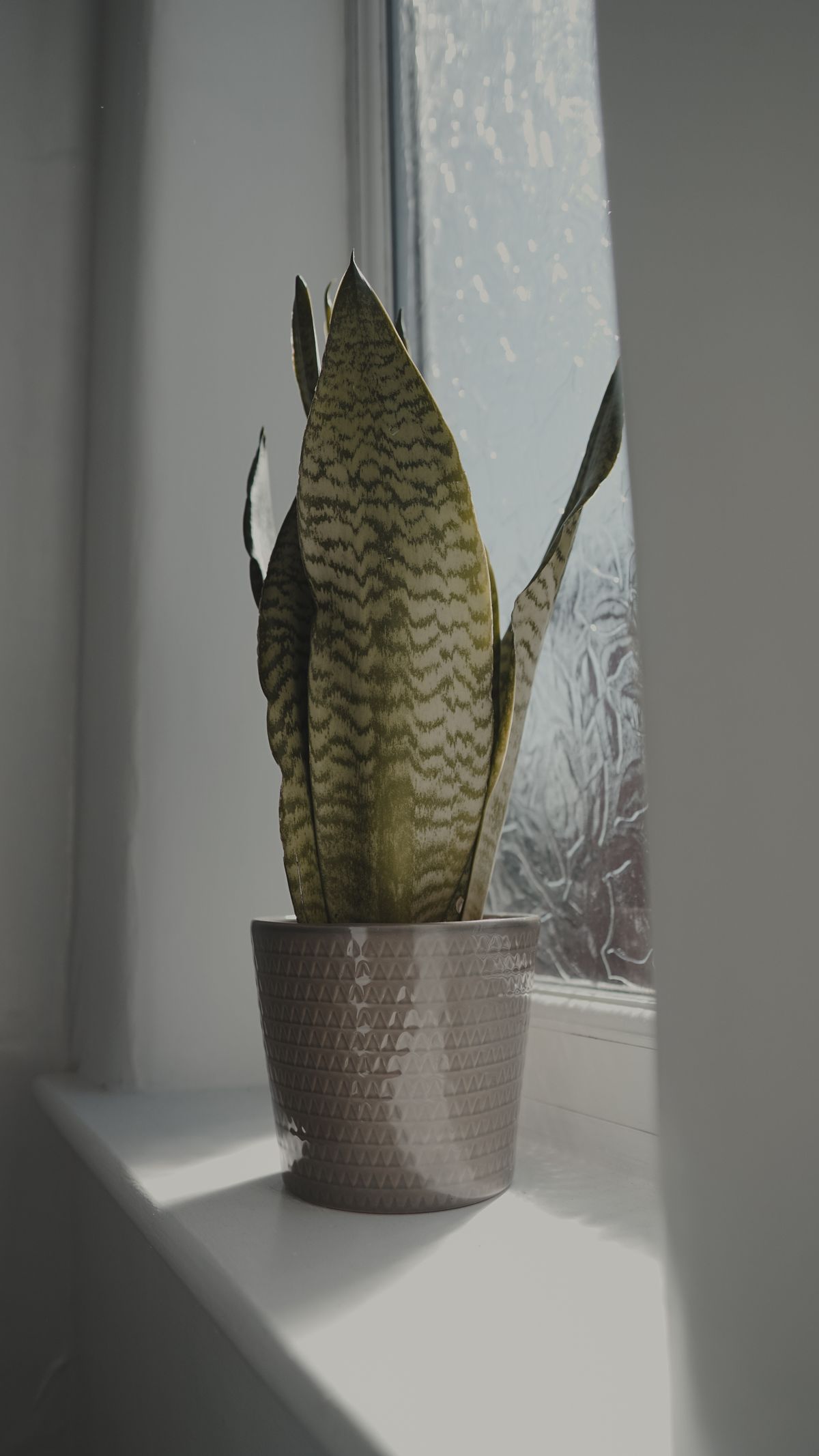
A snake plant can look unchanged for days after the mix has dried. Its upright leaves carry a reserve of water, so there is time to notice a light pot before the plant needs urgent attention. The reverse is harder to catch. The top may look dusty while the lower half of the mix is still wet from last week. This is the reason two identical plants can need water on different days when one stands in a bright room and the other sits in a glazed pot down the hall.
Learn what a dry pot feels like
Start by lifting the container with both hands. Try it when the mix is dry enough to water and again after the pot has drained. Even a small plant becomes noticeably heavier when water fills the mix. If it is in a heavy decorative pot, lift the inner nursery container by itself. A plant too large to lift can still be tested with a clean wooden skewer. Insert the skewer gently toward the lower part of the pot away from the tightly packed leaves. Pull it out after a short pause. Darkened wood, cool dampness, or particles that cling indicate that there is still moisture below the surface.
Pay particular attention to the center of the root ball if the plant has recently been repotted. The new mix can feel different from the old material. The older core may stay wet after the outer mix has dried, or a very dry core may repel water that passes through the rest of the container. Test in more than one place when the signs disagree. Avoid digging deeply with a finger between leaves where a rhizome could be close to the surface.
It takes only two or three cycles to get a feel for the pot. Write down the date it was watered and the next date a deep check came back dry. The difference is a starting point for when to check again. It will change with the seasons and after a move. A small snake plant in a clay pot beside a bright window often dries before a larger plant in a sheltered room, even if they were watered together. Use the record to spot the difference instead of expecting the two pots to match.
Make one complete pass with the watering can
When the root zone has dried, carry a small pot to the sink. Let room temperature water flow onto the surface of the mix, working around the base of the plant. Stop once water comes through the bottom, pause for a minute and check whether the soil has taken it up. Very dry mix may let the first pass run down the sides. A second slow pass gives the interior time to wet. Allow the container to drain before returning it to its saucer or cover.
A plant in a floor pot needs a way to remove excess water. Set the nursery container over a shallow tray while you water, or remove the runoff from the saucer with a small baster reserved for plant care. Check again after several minutes because the mix can continue dripping. Standing water underneath a pot keeps the lowest roots wet even when the top begins to dry. With an outer pot, reach in and feel the base if you cannot see it. A dry shelf around the outside can hide water trapped inside the cover.
Pour between the clusters of leaves and avoid filling the centers of tight rosettes. If a little water collects there, tip the plant gently to let it run out or blot it with a piece of paper. Where humidity is low and the spot is bright, a few drops may dry quickly. A cool corner with slow air movement gives pooled water a longer time against the leaf bases. Clean dusty leaves separately with a soft damp cloth and support each blade while wiping it.
Match the pot to the roots
Inspect an inherited plant before trying to establish its watering routine. A large cover sometimes conceals a tiny nursery pot sitting above several inches of wet stones. A plant may also have been planted straight into a vessel without holes. If there is no drainage opening, transfer it to a container that lets you water thoroughly and see the runoff. The same outer pot can still be used once you know you can lift out the liner.
Snake plants spread by underground stems called rhizomes. They can be comfortable in a snug pot until the rhizomes crowd the walls or the roots have filled most of the mix. If a flexible pot is distorted or the root ball dries unusually fast despite complete watering, plan to move up by a modest size. A wide step up leaves a ring of unoccupied wet mix. A thick clay pot may help balance a top heavy plant. Unglazed clay also dries faster than plastic, which matters if your room already dries pots quickly.
Use fresh mix that drains readily and stays open after watering. Bagged succulent mix can be a good starting point. If it is quite fine and holds together like mud when damp, blending in a coarse mineral ingredient such as pumice or perlite will give it more air space. Check the holes before filling. A pebble layer underneath fine mix cannot take the place of drainage or a well chosen medium. A single piece of mesh can keep coarse particles from falling through a large opening while leaving the water path open.
Read the base of a yellowing leaf
A leaf that is yellow and soft near the soil deserves a closer look. Feel whether the pot is heavy. Look for a smell like stale standing water and inspect the rhizome or roots if the leaf collapses. Healthy tissue should feel firm. Decayed roots may be slick, thin, hollow, or easy to peel. If the soil is saturated and the roots are damaged, take the plant out of the pot. Remove the soft tissue with a clean tool and discard the old wet mix. Replant viable firm divisions in a pot sized to the remaining roots. Keep the plant out of intense sun while it settles.
Drying can make a leaf lose some of its thickness. In a long neglected pot, ridges or folds can appear along a blade and the mix may shrink from the container walls. Check the root zone before adding water because a damaged root system can also leave the leaves dehydrated in a wet pot. If the mix is dry and the base is firm, rewet it gradually. Once it has drained, give the plant several days to respond. Older leaves that were severely damaged may keep a crease even when the plant starts growing well.
A single fading old leaf can be ordinary, particularly if the rest of the clump is firm and producing new blades. A few bleached patches on the side facing the window suggest a different problem. Snake plants can use good light, but a plant recently brought out of a dim room can burn if put into direct afternoon sun. Make the move in stages and keep a note of which side was exposed. Light scars usually stay fixed in place while the new growth shows whether conditions have improved.
Reset the routine when the season changes
In a northern winter, a window may offer fewer bright hours and colder nights. Lower temperatures and slower growth generally mean that the pot dries more slowly. Check before watering even if the old interval was reliable for most of the summer. Keep the plant clear of cold glass and from the direct path of outdoor drafts. A warm radiator has a different effect. It can warm the near side of a pot while the far side remains cool, so move the plant a little away and test the interior before drawing a conclusion from the surface.
You can also use light to improve the plant's overall growth. Start with a position close to a bright window out of severe afternoon sun. Rotate a mature pot occasionally if it leans toward the glass. If you take it outside in warm weather, begin in sheltered shade and change the light gradually. An outdoor pot may receive rain you did not plan for, so empty any cover and inspect the mix after storms. Bring the plant indoors before cold nights return.
Feed sparingly while the plant is making active growth, using a houseplant fertilizer according to the label. It can be convenient to add it during a watering the plant already needs. Pause if the room is dark and growth has slowed. Salt crust on the soil or around the rim can be a sign that the pot needs a thorough plain water rinse at its next due watering. Clean the saucer afterward so dried residue does not get drawn back in.
Make a plan for the next watering
If someone else will care for your plants while you are away, show them how to lift the nursery pot and describe what a wet one feels like. Mark the date you last watered. A snake plant left in an ordinary indoor position can often go through a short absence with no attention after a normal watering, provided the mix was already dry enough for it. Keep it in its familiar position and leave any decorative cover easy to remove. If the pot is still damp on departure day, let it continue drying. On your return, check the mix before doing anything else. The observation that matters is how much moisture the roots have access to today.
Back to top