7 min read
Sunflowers for a Small Patio or Balcony
Choose a compact variety, secure its container, and sow a second group if you want flowers after the first stems finish.
On this page
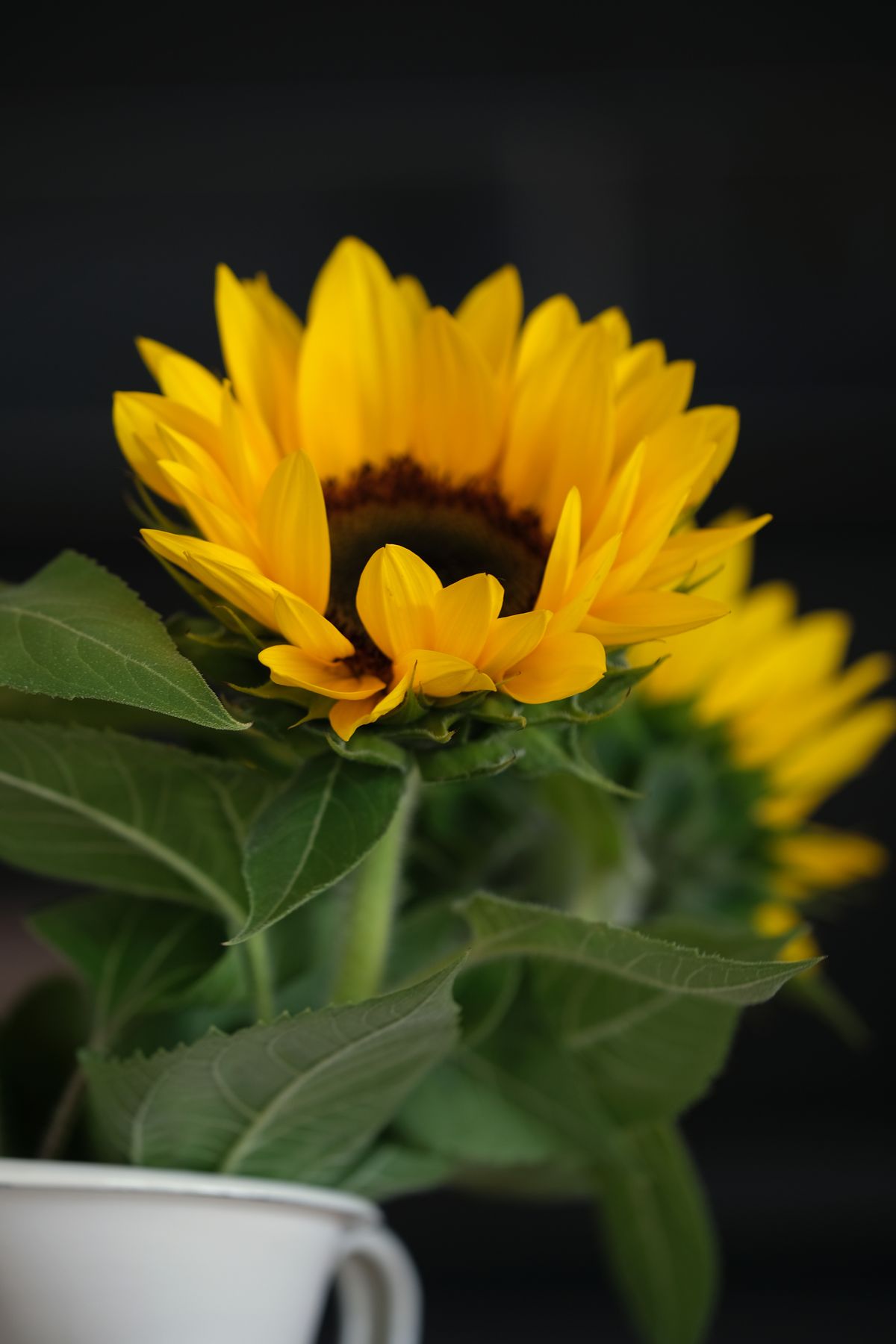
A tall sunflower can make a small yard feel generous, but there is a point where the pot cannot hold the plant upright. On a balcony, that limit can arrive on the first windy afternoon after a heavy rain. Start with a variety whose finished size fits the space and a pot that will stay steady once the flowers open. There are compact sunflowers that branch and make many heads, along with others that offer one large flower on a short stem. The way you want to use the space is the best guide to the seed packet.
Read the packet for height and branching
Look for the mature height first. Dwarf sunflowers may finish around one to three feet tall, with the exact size varying by cultivar and growing conditions. A seed mix can still produce a taller plant than you expect. Choose a named short variety if you have a low railing or a fixed shelf overhead. For a large trough in a sheltered spot, a branching strain can add flowers at several heights. Single stem varieties suit a row of small matching pots, with each plant usually producing its main head once.
Check whether the variety produces pollen. Pollenless types can be useful if you plan to cut the flowers for a table, especially indoors. For a pot intended to support insects, look for an open flower with accessible pollen and nectar. Bees may still visit some pollenless cultivars for nectar. A fluffy double flower has a different appearance and can make the central disc harder for insects to reach. If you want birds to use the seeds later, choose a fertile variety and leave the mature heads standing when there is space.
Sunflowers grow best in full sun. Watch the intended position from morning through late afternoon. A balcony can receive strong light when the sun is at one angle and shade for the rest of the day. A pot beside an opaque railing can be shaded at soil level until the seedlings are tall. Start the pot where the young plants receive light and move it to the display position after growth has begun, provided the move is gradual. Check that the mature plant will not shade other pots that need the same sun.
Use a pot you can keep steady
Choose a sturdy container with holes and a broad enough base to resist tipping. A single modest dwarf sunflower can often grow in a pot roughly twelve inches across and deep, with a larger pot useful for a branching variety. Match the size and spacing to the cultivar. A narrow trough planted tightly with several sunflowers may dry quickly and allow the plants to compete. If the packet gives wide spacing, a single plant in a roomy pot is easier to water and usually makes a better display than three crowded plants.
Think about where the container will sit when filled. Check the balcony's load rules if you are considering a large heavy planter. Set the pot on the floor in a sheltered position and leave room for runoff to escape safely. Secure a stake or support where it can hold the plant without pulling on the railing or hanging over a public area. A low wide container gives more stability than a narrow tall one. Dense stone in the bottom is a poor substitute for an appropriately shaped pot and uses up space the roots could occupy.
Fill with quality container mix and water it lightly before sowing. Keep a little room below the rim so you can apply water without losing soil. If the pot has very large drainage holes, use a little mesh to keep mix from falling out. Do not block them. Mark the spot for a support at the edge before the roots spread. A stake pushed into an established root ball may meet resistance and break roots. A short compact sunflower in a well sheltered spot may need no support once the stem has hardened.
Sow in place for an undisturbed start
After frost danger has passed and temperatures have warmed, sow seed at the depth on the packet. Around an inch deep is common, but smaller seed or some varieties may require shallower sowing. Sow two seeds in a spot if you have several and plan to leave the strongest. Mark the spot and water gently. Keep the seed zone lightly moist through germination. A few sunny windy days can dry the top of a small pot even when the base still contains water.
If birds or squirrels investigate the soil, cover the pot with a piece of mesh held up on short supports. Remove the cover as the seedlings grow so it cannot trap the leaves. Watch for slugs in the folds of a saucer, particularly after rain. Once the true leaves appear, snip the weaker seedling at soil level if the pair is close together. For a branching sunflower, leave enough room on the sides for a hand to reach its stem later. The head can become hard to support if it grows against a wall.
In a short growing season you can start a few seeds in individual pots indoors shortly before outdoor conditions settle. Put seedlings in bright light immediately. Handle the root plug carefully during transplanting because a sunflower makes a vigorous young root and can resent disturbance. Set it outside in mild weather for increasing periods before leaving it there all day. Do not leave a thin indoor seedling in strong wind. A few hours of shelter first help it strengthen for the site where it will stand.
Keep the plant supplied while the head forms
Water thoroughly when the upper mix begins to dry. A growing sunflower with broad leaves can use a lot of water in a small container. In heat or wind, check the pot daily. A plant can droop in a hot afternoon even when the roots have moisture, so feel the mix before watering again. If the pot is light and dry below the surface, water slowly until runoff appears. Empty any saucer that holds standing water. If the foliage droops and the soil is constantly wet, check the drainage and root health.
Container soil may need supplemental nutrients over a long season. Read the mix label to see whether it already contains fertilizer. Use a suitable container feed according to its directions while the plant is making active growth. Excess nitrogen can push soft leafy growth and make a plant harder to support. Give the main stem a loose tie to the stake if it starts moving too far in the wind. Inspect the tie as the stem thickens and move it to a stronger point if it begins to press.
A developing flower head can draw the plant off balance. Examine the whole container after the first flower opens, then again after rain. Turn the pot to improve the view only if it remains stable and all branches have room. If the stem still leans, add a second tie with a soft loop below a branch. Avoid tightening the upper stem against a thin stake right under the head. A heavy head can swing in wind and crack where the stem is held rigid.
Check whether a later sowing will get the same light. On a balcony the useful patch can move several feet over the course of summer. Put the second pot where it will receive sun when the head is developing, even if that means using a different position from the first.
Set up a second flowering group
A single stem sunflower gives a short period of display. Start a second container two or three weeks after the first if there are enough warm days left for it to flower. Check the variety's time to maturity and compare it with your typical first autumn frost. Several small pots started at different times are easier to move into view as they open. A branching variety can keep producing additional blooms from one plant, with the side heads often smaller than the first.
For a cut flower, harvest after petals begin opening and before they show much wear. Cut in the cooler part of the day and set the stem into water promptly. If you grew the plant for wildlife, leave a few heads until the seeds mature. Let them dry on the plant where conditions allow, or cut a mature head before prolonged wet weather and dry it in a sheltered airy place. A large dry head can be offered where birds can reach it safely and fallen seed will be easy to clean.
Make a note of which pot needed the most frequent water and whether the flower leaned past its support. In a small space, those observations are as useful as the flower color. They can tell you to try a shorter branching cultivar next year, move the second pot to the sheltered side of the patio, or start a later planting for a window that loses its view of the garden after midsummer.
In a shared courtyard, plant where you can tend the container without shifting a neighbor's pots. Check where the falling seed and dry petals will collect and sweep up as the head ages. This is easier in a quiet corner with a washable floor than along a busy doorway where flower heads brush people passing through.
Back to top