7 min read
Nasturtiums for Pots and Window Boxes
Choose a compact or trailing nasturtium, sow where it will grow, and check the leaves for clues about heat, water and fertility.
On this page
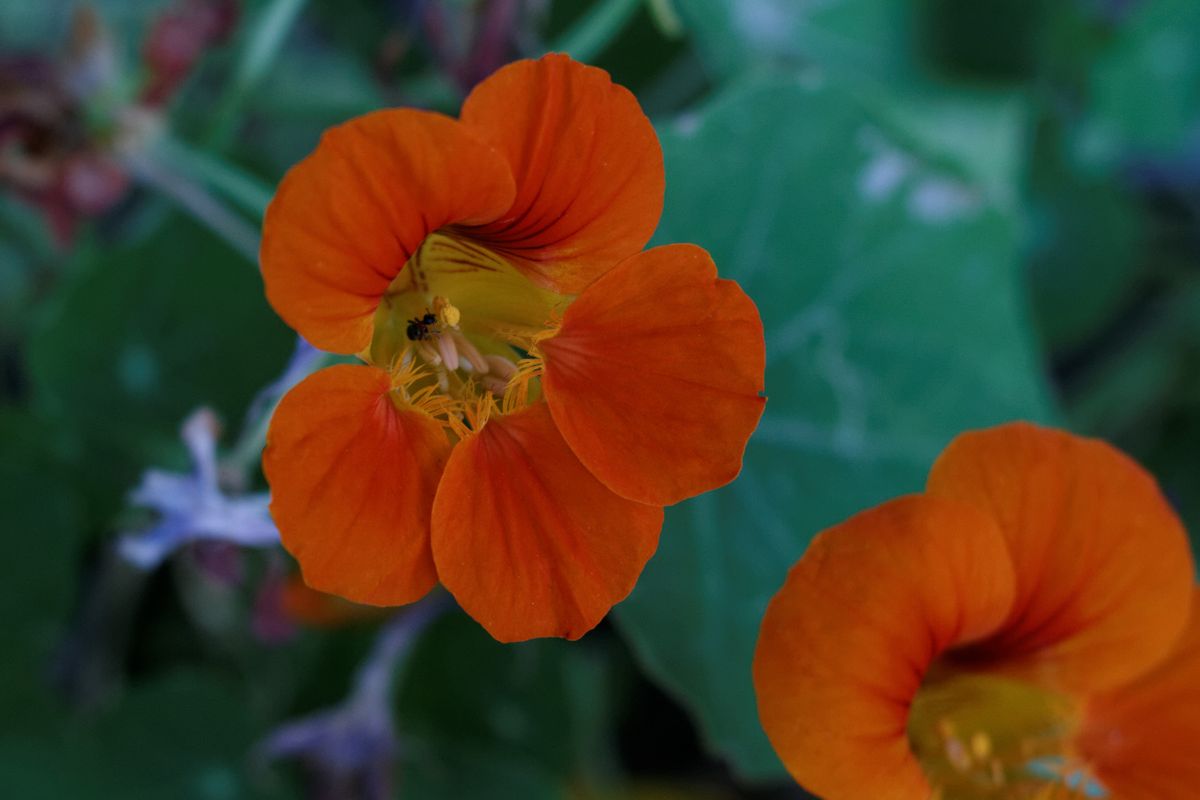
The first nasturtium leaf looks like a small green plate on the end of a stem. Once a few of those plates overlap, you can see whether the plant is filling the top of the pot or heading over the rim. A good match between variety and container will make the flowers easier to see later. You can use a compact nasturtium to cover an open bowl, or let a trailing selection fall from a window box. Both are easy to start from large seeds, and both grow best when you give them room and avoid keeping their roots wet.
Choose a variety that suits the container's edge
Read the seed packet for growth habit. Bush or dwarf nasturtiums make a low mound and often suit a pot at the front of a group. Trailing types can produce stems long enough to run down the side of a large container or spread along the ground. Some will climb if given a support to scramble over. The familiar garden nasturtiums are usually selections of Tropaeolum majus or related hybrids. Check the description for actual spread because two packets with similar looking flowers can produce quite different plants.
Stand in the place from which you will see the pot. A trailing plant can show its flowers below a balcony rail, where they might be difficult to enjoy from inside. A compact one will put more of its display near the rim. Put long stems where they can spread without brushing shoes or hanging into a public walkway. If a window box is above ground level, make sure the box and any support are securely installed and that you can reach them for watering and inspection.
Aim for a bright sunny position. Some light shade can be helpful in a very hot climate, especially where afternoon heat reflects off a wall. Heavy shade can produce fewer flowers and long weak stems. Check the potting surface at different times of day. A pot behind a solid railing may receive light only after the plant has grown past the top. Start in an open bright place if you need to, then move the pot gradually to its long term position once the seedlings are established.
Give the large seeds a steady start
Use a container with open drainage holes. Pick a broad pot for a mounding type or a deeper window box for several trailing plants, leaving space for the number of plants recommended on the packet. Use a fresh well drained container mix. A rich mix with extra fertilizer can lead to a lot of foliage. A plain container mix with modest fertility is often enough for a new planting. Leave an inch or so below the rim so you can water without washing out the seeds.
Sow in place after the danger of frost has passed. Place the seeds at the packet's depth, often about half an inch for common nasturtiums, and water to settle the mix. The seeds are large enough to place individually and mark. If you sow two seeds at a station, snip a weaker extra after the seedlings establish. Keep the seed zone lightly moist through germination. Strong sun can dry a shallow pot between morning and evening while the seedlings still have roots near the surface.
An indoor start can be useful where frost lingers. Sow in individual cells or small pots several weeks before you can move them out. Nasturtiums prefer little root disturbance. Water the plugs first and set them out intact after hardening off. Bury the rim of a plantable pot so it cannot draw water out of the root ball, and follow the pot maker's guidance if it needs slits to let roots through. Keep plants under shelter if cold weather returns. In a mild climate, a later sowing can also flower after the hottest part of summer has passed.
Water the whole pot and let it drain
Once the plants are growing, feel the mix beneath the leaves. They can form an overlapping canopy that sheds a quick shower. Water when the upper mix begins to dry and the container feels lighter. Apply water slowly until it drains out of the bottom and empty any saucer that would keep the pot in standing water. If the mix has pulled away from the walls, a second slow pass can help wet the root zone. Watch how the pot dries during its first hot week. A small box exposed to wind can need daily checks.
A plant can wilt briefly in extreme afternoon heat even when its mix is moist. Check below the surface before watering again. If the pot is still heavy, see whether the leaves recover as the sun goes down. A thin curtain of afternoon shade or a move away from hot masonry may help. If a plant stays limp in cool hours and the mix is wet, inspect drainage and the stems at the base. Remove a badly decayed plant and check the conditions before sowing another in the same spot.
If the leaves are pale and growth is weak, check whether the roots have enough room and whether light reaches the plant. A pot that has run through all the nutrients in its mix may benefit from a suitable dilute feed used as directed. Start modestly. Vigorous leaves with few flowers can occur with excessive nitrogen or too little light. If you have a partly shaded pot with lush foliage, move it gradually to a brighter position and see what the next buds do before changing the fertilizer.
Direct the stems while they still bend
Guide trailing stems to the side where you want the flowers to show. Lift the flexible tips and set them over the rim early. If you let a stem grow under the rest of the plant, moving it later can break leaf stalks. A low twig or net can catch stems you want to rise a little. Use a soft loose tie for the longest sections if you need one. Leave room where they turn over the edge of the pot and check for rubbing after windy weather.
Remove old flowers if you want to limit seed production. Cut the short stalk below the spent bloom without taking off nearby buds. A rampant stem that blocks another plant can be shortened back to a healthy leaf. Look for growing points nearer the pot before trimming the whole plant. The compact cultivar you grew for a neat outline may only need a little correction where one stem has reached farther into the light. In heat, check the pot's water before pruning a limp branch.
Look under the round leaves and along the youngest stems for aphids. Sticky residue and groups of small insects can make the problem easy to locate. A gentle stream of water may knock off a small colony if the pot can drain and dry afterward. Trim a badly crowded tip if the rest of the plant has room to grow. Caterpillars can leave larger holes. Look for them and their droppings before treating the whole container. A few marks on older leaves are usually manageable if the new growth remains strong.
If flowers mostly appear deep inside the foliage, check the variety's usual habit before changing care. Some cultivars carry blooms farther above the leaves than others. A bright pot with healthy plants may simply need a different cultivar the following year if you want the flowers visible from above.
Pick flowers or leave a few for seed
Correctly identified garden nasturtium flowers and young leaves can be edible. Only use plants you know have been grown for food and kept free of products unsuitable for edible plants. Plants purchased as ornamentals may have been treated. Rinse flowers and leaves with clean water, inspect them for insects and use them promptly if you choose to eat them. A young leaf has a peppery flavor and becomes stronger as it ages. Keep the rest of the plant flowering by cutting individual stems while leaving plenty of foliage.
If you want seed, allow a few flowers to finish and check the base where the petals were. A small group of rounded seeds develops there. Collect mature seeds when they come away easily and dry them in an airy place before storage. Label the envelope with the color and whether the parent was compact or trailing. Seed from hybrids or open pollination may give different forms the next year. A small test pot is a good place to see what you saved before using it in a long box.
Note which stems fell where you could see them and whether your pot stayed watered through the warmest weeks. A long trailing plant can suit a sheltered side of the terrace, while the compact one can take its place on the step. Sow another short run if there is time before cold weather and you want fresh foliage later. Plan its position from the first round's mature shape. Those round leaves tell you how much room the next packet of seeds will need before the first flower opens.
If you want to combine two cultivars in one long box, give each a labeled end at sowing. By midsummer you can guide the trailing stems over the corner and leave the compact plants in the center. Keep the opening at the back free for watering.
Back to top